Electricity · 9 March 2026
What a baseline year fixes when a mill splits electricity by hall
A single compound total is a poor baseline if the drying hall and the milling hall do not share a working year.
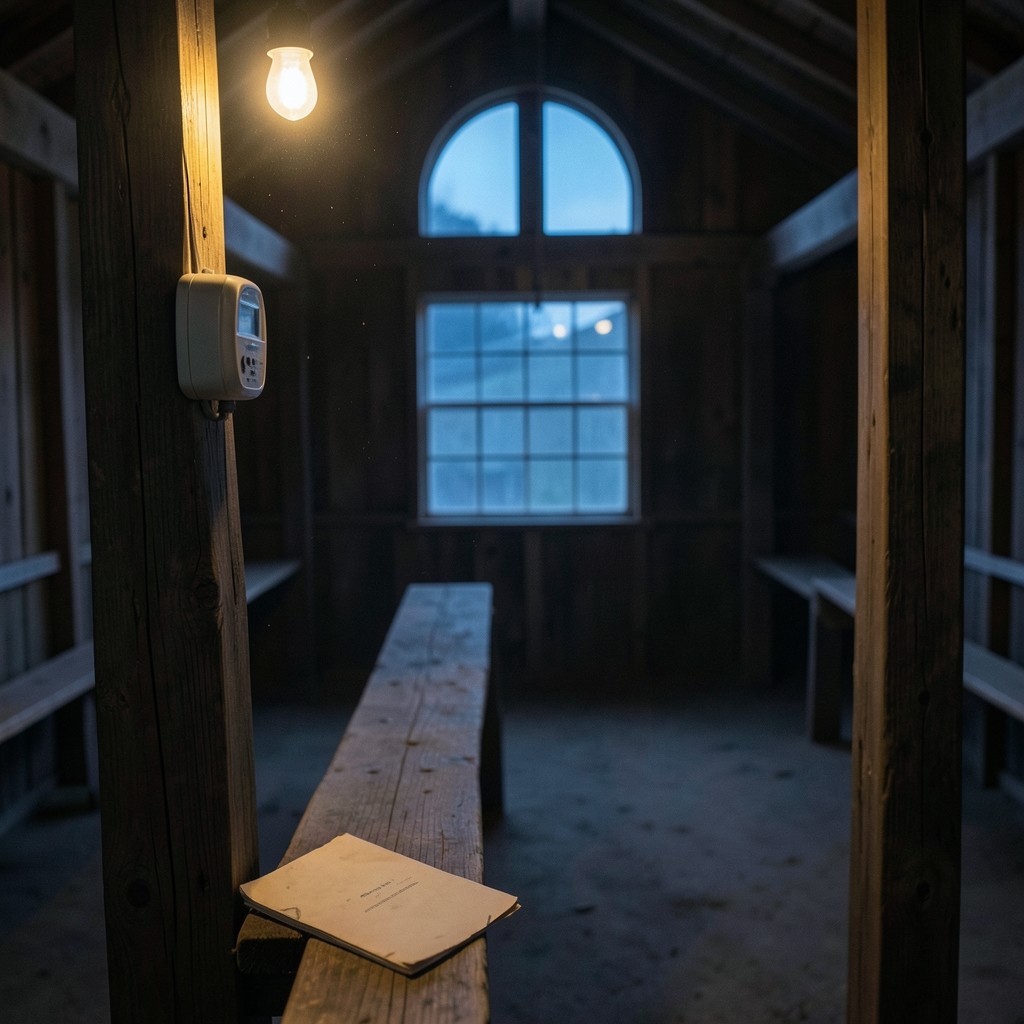
The compound total hides the hall
Small mills around Min Buri and Khlong Sam Wa often receive one electricity bill for the whole compound. The family remembers the year as one number. The meter notes in the hall, if anyone kept them, tell a different story: the drying hall runs hardest when paddy arrives wet, which is not the month the milling hall is busy.
A baseline that uses only the compound total will flatter or scold the wrong hall when a new dryer is discussed. The studio asks whether any hall has its own meter, even a cheap one screwed to a post, and for how many months the notes were actually filled.
A baseline is a promise about method
Calling a year a baseline means the next year will be counted the same way. If the first year is a compound total and the second year is split by hall, the comparison is a change of method, not a change of use. The page should say that in ordinary language.
Where notes exist for only seven months, the baseline is those seven months, named, not a year completed by averaging. Directors can plan from a partial baseline. They should not be handed a full-year figure the meter never recorded.
Wet months and memory
Families often remember the dry weeks as the expensive ones because the trucks are visible. The meter notes sometimes show the opposite, once the drying hall is separated. The drawing is there to put memory and the notes on the same table, not to embarrass the person who remembered. The caption says whose memory and whose notes.
The families of counts behind notes like this are gathered in the indicator atlas.